Designed with the best filtration and disinfection systems.
- +917096592479
- Mon - Sat: 08.00 to 08.00

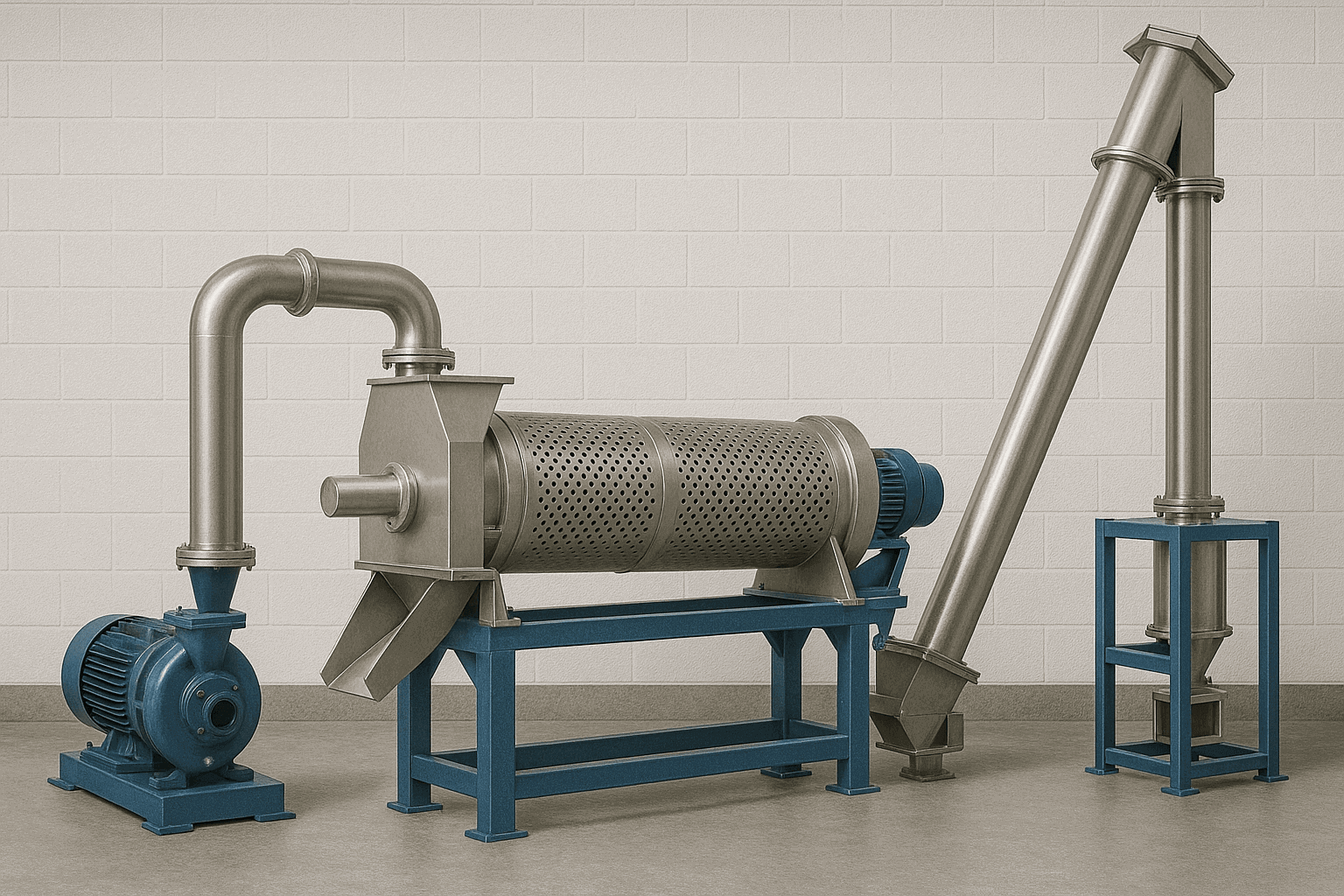
Efficient Sludge Volume Reduction & Solid-Liquid Separation
Our Dewatering Systems are engineered to separate solids from slurry and sludge in industrial and municipal treatment plants. This helps reduce sludge volume, disposal cost, and makes the solids easier to handle. From mechanical belt presses to decanter centrifuges, we offer a complete range of dewatering technologies to suit your process and budget."Filter Press" are terms used in different contexts:

A Filter Press is a specialized piece of equipment used in various industries for solid-liquid separation processes, particularly in filtration and dewatering applications. It consists of a series of filter plates and frames arranged in a vertical stack, with each plate separated by a filter medium (e.g., cloth or filter paper). Here's how a filter press typically works: 1. Plate and Frame Assembly: A filter press comprises a set of rectangular filter plates and frames arranged alternately. The plates are typically made of high-strength materials such as polypropylene or stainless steel and are fitted with filter cloths or filter sheets. 2. Filtration Chamber: When the filter press is closed, the plates and frames form a series of filtration chambers between them. The inlet port allows the suspension or slurry containing the solid-liquid mixture to be pumped into these chambers. 3. Filtration Process: As the suspension is pumped into the filter press, the solid particles are retained by the filter medium while the liquid (filtrate) passes through the cloth and drains out through the outlet ports located on the sides of the filter plates. 4. Cake Formation: Over time, the solid particles accumulate on the surface of the filter medium, forming a layer of filter cake. The thickness and density of the filter cake depend on various factors such as the characteristics of the solid-liquid mixture, filtration pressure, and filtration time. 5. Cake Removal: Once the filtration process is complete, the filter press undergoes a cake discharge cycle to remove the accumulated filter cake. This may involve opening the filter press and manually or mechanically dislodging the cake from the filter plates using scraper blades or cake discharge mechanisms. 6. Washing and Drying: In some applications, the filter cake may undergo additional washing or drying steps to further remove impurities or moisture. This can be achieved by rinsing the cake with clean water or applying compressed air or vacuum to accelerate drying. 7. Recovery of Filtrate: The filtrate collected during the filtration process is typically directed to a collection tank or downstream treatment system for further processing or disposal. Depending on the application, the filtrate may be reused, recycled, or discharged as waste. 8. Applications: Filter presses are used in a wide range of industries, including wastewater treatment, chemical processing, mining and metallurgy, pharmaceuticals, food and beverage production, and environmental engineering. They are particularly well-suited for applications requiring high solids recovery, efficient dewatering, and low moisture content in the filter cake. In summary, a filter press is a versatile and efficient tool for solid-liquid separation, offering advantages such as high filtration efficiency, customizable operation, and low operating costs. It plays a crucial role in various industrial processes where dewatering and filtration of suspensions or sludges are required.
"Belt Press" are terms used in different contexts:
Belt Press systems are mechanical devices used for continuous dewatering of sludge by applying pressure through a series of tensioned belts and rollers. They are ideal for treating large volumes of sludge generated in municipal and industrial wastewater treatment plants. Water Link Technologies provides high-performance Belt Press systems designed for consistent cake dryness, easy operation, and low energy consumption. These systems are particularly suitable for applications where dewatered sludge is disposed of or further processed for reuse. With robust design and automatic operation, our Belt Press units ensure reliable and efficient solid-liquid separation for various types of sludge.
"Screw Press" are terms used in different contexts:
A Screw Press is a type of dewatering equipment used for solid-liquid separation processes, particularly in wastewater treatment, sludge dewatering, and industrial applications. It utilizes a rotating screw mechanism to apply mechanical pressure and squeeze out water from a slurry or sludge mixture, resulting in the formation of a dewatered cake. Here's how a screw press typically works: 1. Screw Configuration: A screw press consists of a helical screw shaft enclosed within a cylindrical screen or drum. The screw shaft is fitted with helical flights or paddles that convey the slurry or sludge through the press. 2. Inlet Zone: The slurry or sludge mixture enters the screw press through an inlet port or hopper located at one end of the press. The rotating screw mechanism advances the material along the length of the press, gradually increasing the pressure as it moves towards the discharge end. 3. Dewatering Zone: As the slurry or sludge progresses through the press, the mechanical action of the rotating screw compresses the material against the cylindrical screen or drum. This compression squeezes out the water from the slurry, causing the solids to compact and form a dewatered cake along the inner surface of the screen. 4. Water Separation: The expelled water passes through the screen or perforations in the drum and drains out of the press, leaving behind the dewatered cake. The water may be collected and directed to a wastewater treatment system for further processing or disposal. 5. Variable Pressure: Screw presses can be equipped with variable speed drives or adjustable pressure settings to control the dewatering process and optimize performance based on the characteristics of the slurry or sludge. This flexibility allows for efficient dewatering of various types of materials with different moisture contents and properties. 6. Continuous Operation: Screw presses operate continuously, with the slurry or sludge continuously fed into the press and dewatered cake continuously discharged from the discharge end. This continuous operation ensures high throughput and productivity in dewatering applications. 7. Cake Discharge: Once the dewatering process is complete, the dewatered cake is discharged from the press through a discharge chute or port located at the end of the screw shaft. Depending on the specific design of the screw press, the cake may be conveyed, discharged into containers, or transported for further processing or disposal. 8. Applications: Screw presses are used in a wide range of industries and applications, including wastewater treatment plants, municipal sewage sludge dewatering, industrial sludge handling, food processing, pulp and paper production, and agricultural waste management. They are particularly effective for dewatering high-solids sludges and slurries, producing a dewatered cake with low moisture content. In summary, screw presses are efficient and versatile dewatering equipment used for solid-liquid separation in various industrial and wastewater treatment processes. They offer advantages such as high throughput, continuous operation, and effective dewatering of sludges and slurries, making them an essential component in many dewatering applications.
"Decanter / Centrifuge" are terms used in different contexts:
Decanter Centrifuges use centrifugal force to separate solids from liquids in high-speed rotating drums, delivering superior dewatering performance for fine and high-moisture sludge. These systems are compact, fully enclosed, and capable of operating continuously with minimal operator attention. Water Link Technologies offers Decanter Centrifuge systems tailored for industries with demanding sludge characteristics. Whether it’s food processing, chemical plants, or effluent treatment facilities, our centrifuges provide efficient separation, lower disposal volume, and reduced handling costs. With automated controls, minimal footprint, and high throughput, Decanter units are a preferred choice for modern sludge management systems.
"Sludge Dryer" are terms used in different contexts:
A Sludge Dryer is a thermal processing unit used to remove moisture from sludge, a byproduct of wastewater treatment, industrial processes, or organic waste treatment. Sludge dryers are essential for reducing the volume and weight of sludge, making it easier and more cost-effective to handle, transport, and dispose of. Here's how a sludge dryer typically works: 1. Introduction of Sludge: The sludge to be dried is introduced into the sludge dryer through a feeding mechanism, such as a conveyor belt, screw feeder, or pneumatic feeder. The sludge may contain a high percentage of water, organic matter, and solid particles. 2. Drying Chamber: The sludge enters the drying chamber of the dryer, where it is exposed to heat to facilitate the evaporation of moisture. The drying chamber may be a rotary drum, belt dryer, fluidized bed, or other configuration designed to maximize heat transfer and drying efficiency. 3. Heat Source: The heat required for drying the sludge is provided by various heat sources, including direct combustion of fuels (e.g., natural gas, propane, diesel), steam, hot air, or electricity. The choice of heat source depends on factors such as cost, availability, and environmental considerations. 4. Evaporation of Moisture: As the sludge is heated within the drying chamber, moisture evaporates from the surface of the sludge particles. The evaporated moisture is carried away by the drying medium (e.g., hot air or gases) flowing through the drying chamber. 5. Temperature Control: The temperature within the drying chamber is carefully controlled to ensure efficient moisture removal without causing thermal degradation or combustion of the sludge. Temperature sensors and control systems monitor and regulate the drying process to maintain optimal conditions. 6. Residence Time: The sludge remains in the drying chamber for a specified residence time, allowing sufficient time for moisture to evaporate and the sludge to reach the desired level of dryness. The residence time may vary depending on factors such as sludge characteristics, dryer design, and operating parameters. 7. Product Discharge: Once the drying process is complete, the dried sludge exits the drying chamber and is discharged from the dryer. The dried sludge may be collected in containers, conveyed to storage facilities, or further processed for reuse or disposal, depending on its intended application. 8. Environmental Considerations: Sludge dryers may be equipped with emission control systems, such as particulate filters, scrubbers, or thermal oxidizers, to minimize air emissions and ensure compliance with environmental regulations. These systems help mitigate potential environmental impacts associated with the drying process. 9. Applications: Sludge dryers are used in various industries and applications, including wastewater treatment plants, municipal sewage sludge drying, industrial sludge management, agricultural waste treatment, and biomass drying. They are essential for reducing the volume and moisture content of sludge, facilitating its handling, transportation, and disposal. In summary, sludge dryers play a crucial role in the management of sludge generated from wastewater treatment and other industrial processes. By effectively removing moisture from sludge, sludge dryers help reduce waste volume, minimize disposal costs, and mitigate environmental impacts, contributing to sustainable waste management practices.
Why Our Service
Business it will frequently occur pleasures have to repudiated annoyances that accepted wises man therefore always hold the saying through shrinking.